
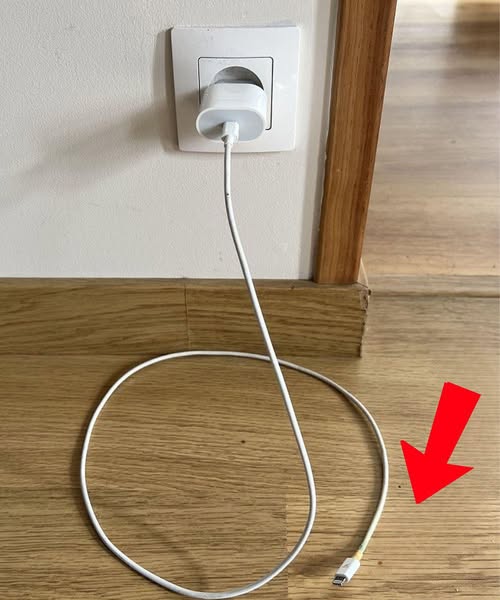
As chargers age, insulation breaks down. Cracks form in wiring, solder joints weaken, and heat builds unevenly. When left plugged in 24/7, these flaws create micro-hotspots that can lead to partial short circuits, generating tiny electric shocks (microshocks) you might not even feel.
But here’s the danger: These imperceptible currents—measured in milliamps—can still affect sensitive tissues. In rare but documented cases, individuals with pre-existing heart conditions experienced arrhythmias triggered by sustained contact with faulty grounding in bedside electronics (case reports in The American Journal of Emergency Medicine).
Additionally, the National Fire Protection Association (NFPA) attributes over 3,300 home fires annually to electrical distribution failures—including damaged or overheated cords and adapters. Many start behind furniture or walls, where heat accumulates unseen.
Mama Ruth’s Red Flag: “If a charger feels warm when nothing’s connected, it’s already failing. Throw it out.”
Signs of risk:
Warmth or softness in the plastic casing
Faint buzzing or humming sound
Discoloration around the plug or outlet
Solution:
Replace any charger showing signs of wear immediately. Avoid cheap knockoffs lacking safety certifications (look for UL, CE, or ETL marks). Use surge protectors with automatic cutoff features.
Why Culture Gets This Wrong
ADVERTISEMENT
