
On the flip side, when companies demonstrate transparency consistently, consumers reward them with loyalty. Clear communication builds confidence. Thoughtful design reinforces credibility. These choices matter, especially in a market where dozens of brands compete for the same small section of a grocery store shelf.
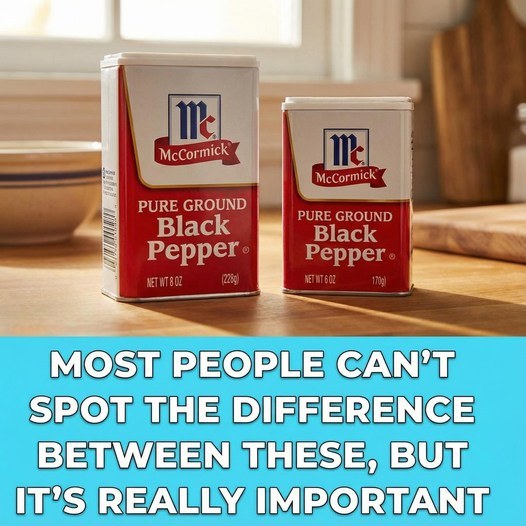
The situation between McCormick and Watkins serves as a reminder of something bigger than pepper. It shows how the smallest details — a few ounces of spice, a tin that looks familiar, a plastic container that shows exactly what’s inside — can spark conversations about value, honesty, and corporate responsibility. At the end of the day, people want to know they’re getting what they paid for. They want packaging that reflects reality, not just branding strategy.
For consumers, this case is a prompt to look more closely at product labels, compare net weights, and pay attention to the subtle cues that influence perception. For companies, it’s a warning that trust must be earned continuously — not assumed. In a competitive industry, transparency isn’t just good ethics; it’s good business.
As legal reviews move forward and public discussion evolves, one truth remains undeniable: trust is one of the most valuable commodities any brand can hold. Losing it is easy. Regaining it is not. And preserving it requires ongoing clarity, honesty, and a willingness to meet consumers where they truly are — not just where marketing hopes they’ll be.
ADVERTISEMENT
