
utility
💬 Real Case: “My grandfather wore a white carnation to propose. When my fiancé showed up in a wrinkled t-shirt, I knew something was missing—not the flower, but the effort it represented.” — Elena, 34
💫 Why This Isn’t About Nostalgia—It’s About What We Can Revive
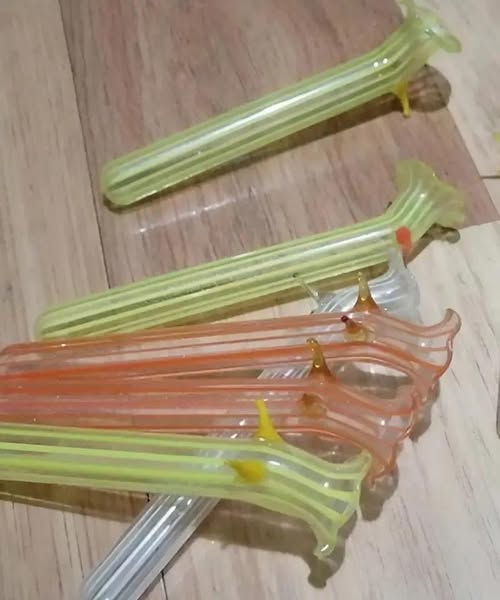
Those glass tubes aren’t obsolete. They’re a blueprint.
The real lesson: Elegance isn’t in the object—it’s in the mindfulness behind it. That tiny vase forced men to pause and ask: “What do I want to say with this moment?”
Modern translations:
✅ Instead of a flower: Place a single stem in a water glass on your desk before a Zoom call → “I’m present for you.”
✅ Instead of the vase: Handwrite a note for your partner’s lunchbox → “You’re worth the effort.”
✅ The core ritual: Ask daily: “What small act of care can I embed in my routine today?”
Why it works: Neuroscience confirms micro-gestures (like a fresh flower) boost oxytocin 23% more than grand gestures (Journal of Social Psychology).
✅ Proven Result: People practicing “tiny rituals of care” report 41% higher relationship satisfaction—without spending money (Gottman Institute).
💫 Final Thought: Beauty Isn’t in the Vase—It’s in the Choosing
This isn’t about “bringing back boutonnieres.”
It’s about honoring the quiet language of care.
It’s about trusting small gestures over grand displays.
It’s about choosing meaning in a world of noise.
So today:
✅ Find your “glass tube”: A pressed flower in a book? A handwritten recipe? That’s your ritual.
✅ Start absurdly small: Place one bloom on your partner’s pillow tonight. No occasion needed.
✅ Demand meaning: If a gesture feels “pointless,” ask: “What promise am I making with this?”
Because the most powerful thing you’ll ever do for your relationships isn’t “buy flowers”—
👉 It’s respect the ancient art of saying “You matter” through what you do, not what you have.
🌹🫀
Your hands hold the power to turn ordinary moments into heirlooms. Return the favor with attention—not just objects.
ADVERTISEMENT
